Why Industries Prefer Automatic Sand Blasting Machine?
Industries prefer an Automatic Sand Blasting Machine because it delivers faster surface preparation, consistent finishing quality, reduced labor costs, and higher production efficiency compared to traditional cleaning methods. In modern manufacturing, properly prepared surfaces are essential for ensuring strong coating adhesion, corrosion resistance, and long-term product durability. Whether removing rust, mill scale, old paint, or other surface contaminants, an Automatic Sand Blasting Machine provides precise and repeatable results that help maintain quality standards across large production volumes. As industries continue to adopt automation, the demand for Automatic Sandblasting Machine solutions is increasing due to their ability to improve productivity, minimize human error, and streamline surface treatment processes in sectors such as automotive, steel fabrication, foundries, aerospace, and heavy engineering.
Understanding Automatic Sandblasting Machine
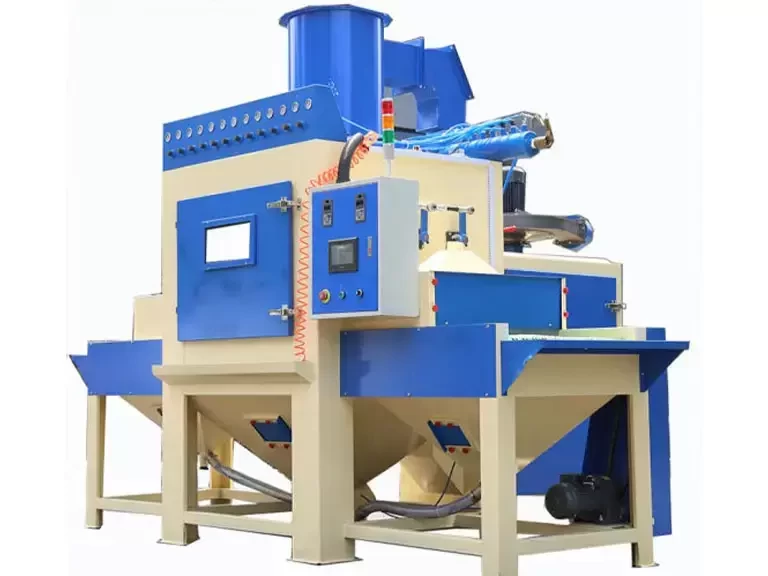
An Automatic Blasting Machine is a specialized industrial system designed to clean, finish, and prepare surfaces by projecting abrasive media at high velocity. Unlike manual blasting processes that depend on operator skill and experience, automatic systems perform the entire operation with programmed precision.
The machine continuously controls abrasive flow, blasting pressure, workpiece movement, and sand blasting dust collector, ensuring that every component receives the same level of treatment.
The result is a cleaner, more uniform surface that is ready for coating, painting, fabrication, or further manufacturing processes.
Why Surface Preparation Is More Important Than Ever
In today's competitive market, product durability and appearance directly impact customer satisfaction and business reputation. Poor surface preparation often leads to problems such as:
- Premature paint failure
- Corrosion and rust formation
- Weak coating adhesion
- Reduced product lifespan
- Increased maintenance expenses
Automatic blasting machine systems eliminate these risks by creating a controlled and repeatable surface preparation process. This not only improves product quality but also helps manufacturers comply with international finishing and coating standards.
How an Automatic Sandblasting Machine Works
The procedure of an automatic sandblasting machine system is designed to maximize efficiency while minimizing manual intervention.
- Loading Stage: Components are loaded onto a conveyor, rotary table, hanger system, or custom fixture, depending on their size and shape.
- Blasting Process: Abrasive media is propelled at high speed toward the workpiece surface. The impact removes rust, scale, paint, oxidation, and other unwanted contaminants.
- Abrasive Recovery: After blasting, the used abrasive is collected and transported to a recovery system where reusable media is separated from dust and debris.
- Dust Collection: A high-performance dust collector captures airborne particles, maintaining a cleaner and safer workplace.
- Finished Component Output: The cleaned component exits the machine with a uniformly prepared surface, ready for the next stage of production.
Because the entire process is automated, manufacturers achieve higher throughput and more consistent results than traditional manual methods.
Major Benefits of Automatic Sand Blasting Machine
- Enhanced Productivity: One of the biggest advantages of automation is speed. An automatic sand blasting machine can process large volumes of components continuously, reducing production bottlenecks and improving overall plant efficiency.
- Consistent Surface Finish: Manual blasting often produces variations between operators. Automatic systems ensure every component receives identical treatment, maintaining uniform quality throughout production batches.
- Reduced Labor Costs: Automation significantly lowers the need for manual labor, helping businesses reduce operating expenses while improving production output.
- Improved Workplace Safety: Modern blasting systems are fully enclosed and equipped with advanced dust extraction units. This minimizes worker exposure to abrasive particles and airborne contaminants.
- Lower Abrasive Consumption: Integrated abrasive recovery systems recycle blasting media, reducing waste and improving cost efficiency.
- Better Coating Performance: A properly prepared surface allows coatings to bond more effectively, resulting in longer-lasting protection against corrosion and environmental damage.
Essential Components of an Automatic Sandblasting Machine
Every automatic blasting system consists of several key components that work together to deliver reliable performance.
- Blasting Cabinet or Chamber: The enclosed structure where the blasting process takes place. It prevents abrasive leakage and protects surrounding work areas.
- Blast Nozzles: These nozzles accelerate abrasive media and direct it toward the workpiece with controlled force and precision.
- Abrasive Recovery Unit: Responsible for collecting, cleaning, and recycling abrasive material for repeated use.
- Dust Collection System: Removes airborne dust and contaminants generated during blasting operations.
- Material Handling Mechanism: Includes conveyors, rollers, rotary tables, or hanger shot blasting machine systems that transport components automatically.
- Control System: Allows operators to monitor and adjust machine parameters such as pressure, blasting duration, media flow, and conveyor speed.
Industries That Rely on Automatic Blasting Technology
- Automotive Manufacturing: Automotive companies use automatic blasting systems to prepare engine components, chassis parts, wheels, suspension components, and brake assemblies before painting and assembly.
- Steel Fabrication: Structural steel, beams, pipes, and fabricated assemblies require effective surface preparation to ensure corrosion-resistant coatings perform properly.
- Foundries: Castings often contain residual sand, flash, and surface imperfections. The automatic blasting machine efficiently cleans and finishes these components before machining or coating.
- Aerospace Industry: Aircraft manufacturers demand extremely precise surface preparation to meet strict safety and quality standards.
- Railways and Transportation: Railway components require durable coatings and corrosion protection. Automatic blasting systems help achieve the necessary surface quality.
- Heavy Engineering: Large machinery and industrial equipment benefit from automated surface preparation that improves coating durability and equipment lifespan.
Different Types of Automatic Blasting Machine
- Conveyor Type Machines: Designed for continuous production lines where components move automatically through the blasting zone.
- Rotary Table Machines: Ideal for parts that require complete and uniform blasting from multiple angles.
- Hanger Type Machines: Suitable for large, heavy, or complex-shaped components that are suspended during processing.
- Cabinet Type Machines: The sand blasting cabinet is best suited for smaller components requiring precise and controlled blasting conditions.
- Customized Solutions: Manufacturers can design specialized blasting systems tailored to unique production requirements and component specifications.
Factors to Consider Before Purchasing an Automatic Sand Blasting Machine
Investing in the right blasting system requires careful evaluation of several factors:
- Production volume requirements
- Type and size of components
- Desired surface finish
- Available floor space
- Abrasive media selection
- Automation requirements
- Future production expansion plans
- Maintenance and operating costs
Choosing the correct machine ensures maximum return on investment and long-term operational efficiency.
For more info about the portable sand blasting machine, visit our website.
Automatic Sand Blasting Machine Price: What Determines the Cost?
The price of an automatic blasting system varies depending on its configuration and capabilities.
Key pricing factors include:
- Machine size and capacity
- Level of automation
- Type of abrasive recovery system
- Dust collector performance
- Conveyor or material handling design
- Control system features
- Custom engineering requirements
While the initial investment may appear significant, the long-term savings generated through higher productivity, lower labor costs, and reduced abrasive consumption often make automatic blasting systems highly cost-effective.
Why the Demand for Automatic Sand Blasting Machines Is Growing in India
India's manufacturing sector is experiencing rapid expansion, creating strong demand for advanced surface preparation technologies. Several factors are driving this growth:
- Industrial Automation: Manufacturers are increasingly adopting automated solutions to improve productivity and maintain consistent quality standards.
- Infrastructure Development: Large-scale infrastructure projects require efficient cleaning and preparation of structural steel and fabricated components.
- Export-Oriented Manufacturing: Global customers demand higher quality standards, encouraging Indian industries to invest in advanced blasting equipment.
- Government Manufacturing Initiatives: Programs supporting domestic production and industrial development continue to boost investment in modern manufacturing technologies.
As a result, the automatic blasting machine is becoming an essential asset for businesses looking to remain competitive in today's market.
Future Trends in Automatic Blasting Technology
The blasting industry is evolving rapidly with the integration of smart manufacturing technologies.
Future developments include:
- Robotic blasting systems
- AI-based process optimization
- Remote monitoring and diagnostics
- Industry 4.0 connectivity
- Energy-efficient machine designs
- Advanced abrasive recycling systems
- Intelligent dust collection technologies
These innovations are helping manufacturers achieve greater efficiency, sustainability, and process control.
As manufacturing standards continue to rise, efficient surface preparation has become more important than ever. An Automatic Sand Blasting Machine offers the perfect combination of speed, precision, consistency, and cost-effectiveness for modern industrial operations.
By automating the blasting process, businesses can improve product quality, reduce labor dependency, enhance workplace safety, and increase production capacity. Whether operating in automotive manufacturing, steel fabrication, foundries, heavy engineering, railways, or aerospace industries, investing in advanced blasting technology delivers measurable long-term benefits.
Companies that embrace automated surface preparation today are positioning themselves for higher productivity, stronger product performance, and greater competitiveness in the future manufacturing landscape.
Automatic Sand Blasting Machine Manufacturers
Focused on innovation, quality, and customer satisfaction, the manufacturer provides customized solutions designed to meet diverse industrial surface preparation requirements. Its extensive product range includes Automatic Sand Blasting Machines, Shot Blasting Machines, Portable Sand Blasting Machines, Sand Blasting Cabinets, Sand Blasting Room Systems, Wet Blasting Machines, Vacuum Blasting Machines, Sand Blasting Helmet, Sand Blasting Nozzle, Dust Collector Systems, Thermal Spray gun, and Abrasive Blasting Accessories. From small-scale workshops to large manufacturing facilities, these solutions are engineered to deliver reliable performance, efficient abrasive recovery, reduced operating costs, and superior surface finishing results. By combining advanced technology with industry expertise, the company helps businesses improve productivity, enhance coating quality, and achieve long-term operational efficiency across various industrial applications.